
Your Everyday Guide to Challenging Experiences and Complicated Feelings
I’m Bingwan Liu, a psychotherapist licensed in NY and NJ
I’m passionate about helping people thrive, especially when you find it hard to imagine
I offer psychodynamic therapy and help you grow by understanding your unconscious life, reflecting on your experiences, and strengthening your sense of self.
I offer online therapy only and don’t take insurance
Click here to book a free 15-minute phone consultation

Song of the Sea: A Guide to Self Discovery in Therapy
There is a witch named Macha who lives deep in the woods. She has the power to suck feelings out of anyone, putting their feelings into enchanted glass jars, turning her victims into stones. She has turned many mythical creatures into stone or driven them out of their homeland to hide from her hunt. She believes that she is helping those who suffer from bad feelings, starting with her son, who has lost his wife and was uncontrollably anguished.

Fear of Rejection: Why It Causes Anxiety and How to Overcome It
It is widely studied and understood by mental health professionals that how caregivers treat us in our early lives profoundly impacts how we operate in our current lives. Karra-Morse and Wiley (2012) succinctly say, "(Our) first relationship is the prototype for later relationships. In an unconscious effort to resolve the trauma, many people gravitate to people and situations similar to the unresolved early dynamics." Here, I will outline a few specific ways in which our early relationships generate feelings of insecurity, inadequacy, and worthlessness and create difficulties in processing emotions and relating to others.

What Is a Victim Mentality? Meaning, Signs, and How to Break the Cycle
Once, a friend and I walked in the park next to the Brooklyn Bridge in the evening. A security guard whistled at us when we walked on a path leading to the water. Both my friend and I tensed up a bit, and we knew we could not continue along the same path, so we turned onto the main road. After walking on the main road for a while, we saw that the path to the water was closed. My friend said, "The security guard was helping us! I thought he was a bully and didn't want us to do what we wanted."

What to Know Before Starting Therapy: A Chinese Therapist's Insight
Starting therapy is often the hardest part of the entire process. Most people wait years between first considering it and booking a session, and for many Chinese and Asian adults, that wait is longer still. As a Chinese-speaking therapist licensed in New York and New Jersey, I have sat with many people in their very first session, and I have seen how much lighter the process feels once you know what to expect. This guide covers what therapy is, what happens in a first session, the concerns that most often bring adults to my practice, and how to find a therapist who understands you.

What to Look for in an Asian American Therapist in NYC
Finding the right therapist is a personal decision, and for many Asians and Asian Americans in New York, it carries an extra layer. You may have spent years explaining context that other people take for granted: family obligation, the weight of expectations, the pressure to hold everything together quietly. The question of who you sit across from matters, because the right fit can mean the difference between feeling understood and feeling like you are translating yourself yet again.

How Do You Know You're Making Progress in Psychotherapy? Part II
This blog post explores how people in therapy have opportunities to develop capacities for emotion regulation and impulse control, cultivate and maintain a solid sense of self during emotional intensity, delay gratification, and build emotional resilience in the face of adversity. These capacities are interconnected. Growing in one area lays the groundwork for progress in others, enriching our personal development journey.

How Do You Know You're Making Progress in Psychotherapy? Part I
As you reflect on your therapy journey, it’s helpful to recognize the progress you’ve made. In this series, let’s explore key capacities indicative of growth in therapy, including the ability to tolerate ambiguity, symbolize, imagine, and reflect. Stay tuned for more insights in the upcoming posts!
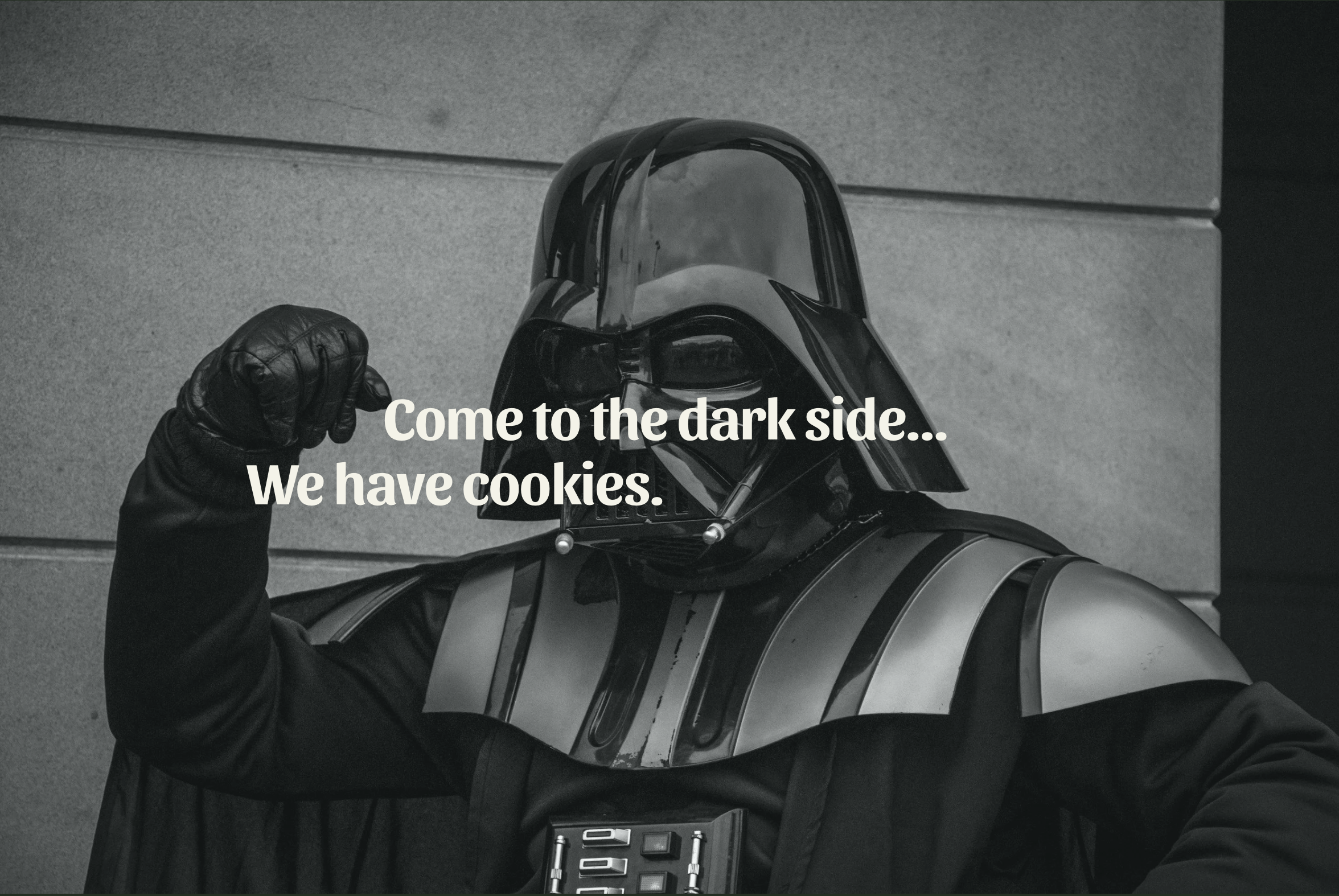
Discover how feeling your feelings, rather than controlling them, will empower you to make lasting change
In our quest for emotional well-being, we often seek to "feel better," but what if the path to a healthier state lies in feeling our feelings rather than controlling them? Many of us unconsciously use strategies to control our feelings—numbing sadness with distractions, denying anger to maintain calm, or striving for perfection to avoid criticism. While these approaches may offer temporary relief, they create barriers to understanding our emotional lives. By turning towards our feelings instead of away from them, we allow ourselves to experience emotions fully, opening the door to personal growth. This doesn't mean unleashing emotions on others; instead, it means taking a moment to reflect on their origins and the messages they carry. Honoring our feelings can illuminate truths about ourselves, empowering us to break free from unhelpful patterns.

Feeling Stuck in Anger? Drop Your "I'm Right, You're Wrong" Attitude
We all get angry, but sometimes, our anger becomes out of proportion, and we feel stuck in our angry reactions. You're not alone in this struggle. The "I'm right, you're wrong" narrative often fuels our angry reactions, leading to a sense of being stuck. Today, I want to share a story that resonates with this universal struggle. It's the first part of the movie The Red Turtle. This story underscores the importance of stopping the "I'm right, you're wrong" narrative to unstuck in anger that escalates out of proportion.
Book a Free 15-minute Phone Consultation
Ready to reach out? Book from my calendar here: